Must read stuff · No. 10
The van keys that never made it to the app
A plumbing company moved its job board into a phone app that the owner loves and the crew ignores. The app knows every job. The key rack knows who is actually driving, who took the long way, and which van is low on diesel. Two systems, one shop, and a Tuesday morning when both were wrong.
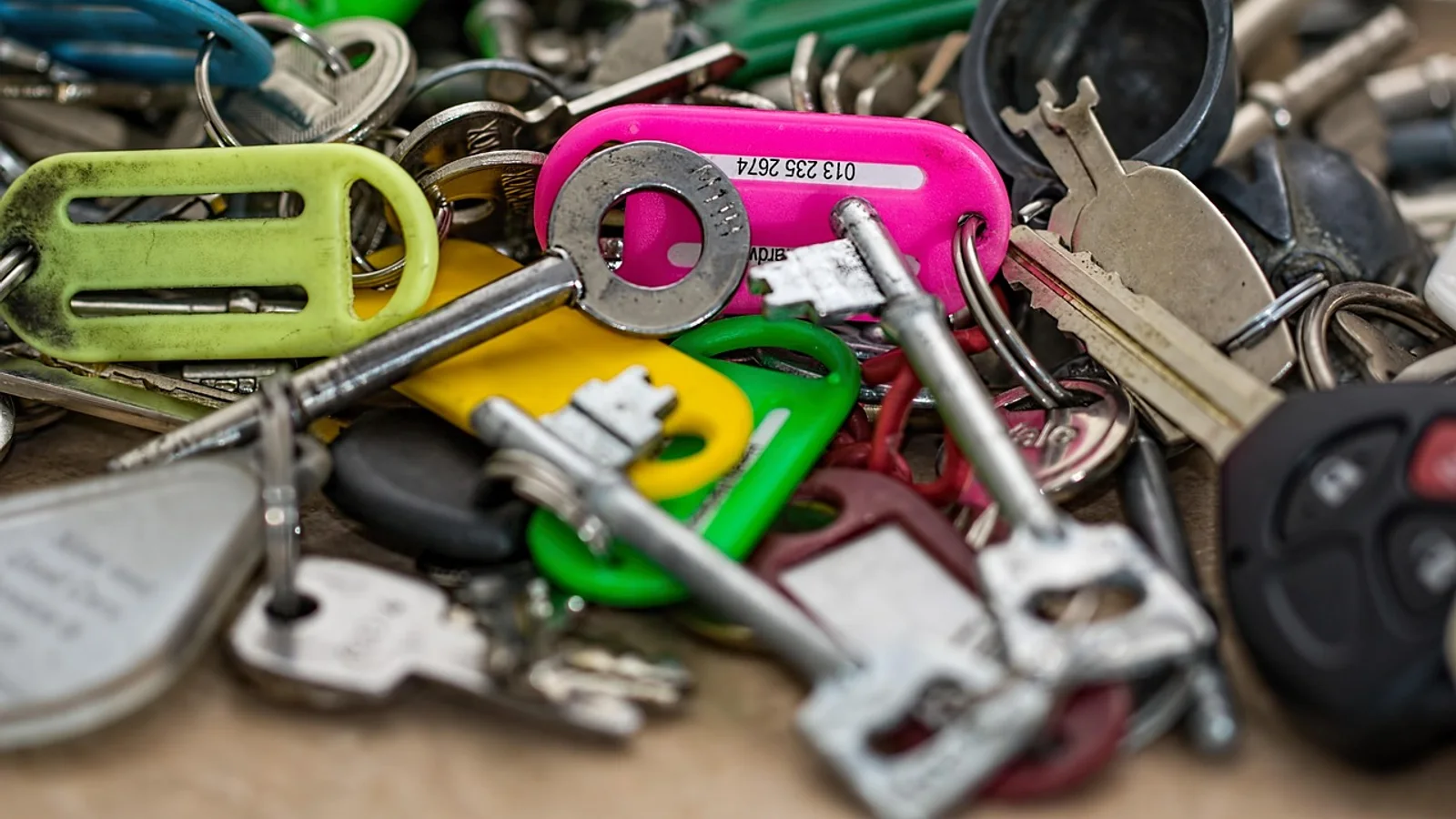
The key rack hangs by the back door of the plumbing shop, a strip of plywood with eight brass hooks and a laminated tag under each one. Van 1. Van 2. Van 3. Spare. On Tuesday morning the tag for Van 2 was swinging empty, and the app on the owner’s phone still said Van 2 was assigned to the Halverson job, first call, 7:30.
I was there because the owner wanted the job board moved into the app completely. No more whiteboard in the dispatch room. No more calling the shop to ask who had the keys. He had bought the subscription in the spring and had been showing it to me since.
Van 2 was in the lot. The keys were in the pocket of the apprentice, who had taken them home on Monday and forgotten to hang them back. The app did not know that. The app only knew who was supposed to have them.
What the app actually does
The app is good at the part it was built for. It puts the day’s jobs in one place, it sends the address to the phone, and it lets the office see which jobs are done without calling anyone. The owner can look at it from his kitchen table at six in the morning and know what the day looks like. That is a real thing, and it was not possible before.
It also keeps a record. If a customer calls in October and asks when the crew came out, the app can answer. The whiteboard in the dispatch room could not, because it was wiped every afternoon by whoever finished last.
So the app wins on reach and on memory. I told him that, and I meant it.
The thing the app cannot see
The app tracks assignments. The key rack tracks custody.
Those are different facts. An assignment is a plan: this job, this van, this person, this time. Custody is a physical state: the keys are in a pocket, on a hook, in a cupholder, or lost under a seat. The app can hold the plan. It cannot hold the keys.
When the crew still used the whiteboard, the act of taking the keys off the hook and moving the tag was the same act as claiming the van. Everyone in the room saw it. If you took Van 2, you moved the tag, and the tag moving was the announcement. The board and the rack were one system, and the system was visible from the coffee machine.
The app split them. Now the plan lives on the phone and the keys live on the hook, and nothing connects the two except a person remembering to do both. On Tuesday morning nobody had.
The good side, and I mean it
The app has caught real mistakes. Last month a job got moved to Thursday and the customer was notified automatically, and the crew did not drive out to an empty house. The whiteboard would have shown the old time until someone remembered to wipe it. The app is more accurate than the board ever was, and the accuracy has saved the company money and embarrassment.
The owner is right that the app is better. The app is better at the thing the app does.
What the app does not do is make the crew talk to each other in the morning. The whiteboard did that by accident. Eight people standing in front of one board, arguing about who had Van 2, is not efficient. It is also the only fifteen minutes of the day when everyone heard the same thing at the same time.
The strongest opposing view
The strongest opposing view is that I am romanticizing a plywood board and a set of hooks. A key rack is not a system. It is a place to hang keys. The fact that the crew used to stand around it does not make it a better dispatch tool than an app that reaches every phone in the county. The Tuesday morning problem was not caused by the app. It was caused by an apprentice who forgot to hang up the keys, and that would have happened with the board too.
That is fair, and it is mostly right. The apprentice would have forgotten either way. The difference is that with the board, someone would have noticed the empty hook before 7:30, because the hook was in the room where everyone stood. With the app, the empty hook was in a room nobody was in.
What I am not sure about
I am not sure the fix is to put the key rack into the app. I have seen shops try it: a checkbox for “keys returned,” a photo of the hook, a notification when a van is claimed. It works for a month. Then the checkbox becomes a thing people click without looking, and the app is confident and wrong in a new way.
The honest answer is that some facts are physical and stay physical. The keys are in a pocket or on a hook. No software changes that. The question is whether the shop has a moment in the day when someone looks at the hook, and the app took that moment away without meaning to.
The tag on the hook
On Tuesday the apprentice came back from the lot with the keys, hung them on the hook, and moved the tag. The app still said Van 2, first call, 7:30. The job got done, twenty minutes late, and nobody was hurt.
The owner looked at the app, then at the rack, then back at the app. He did not say anything. The tag for Van 2 was swinging again, and the plywood behind it had a dark ring where eight years of keys had worn the varnish off.
#Essay #dispatch #smallbusiness #operations #dispatch app #key rack #small business operations #plumbing company #physical versus digital