Must read stuff · No. 22
The check that never makes it into the binder
A calibration certificate proves a torque wrench was correct on the day it was tested. The weekly check proves it is correct now, in this room, after whatever happened to it since. The certificate satisfies the auditor. The check satisfies the mechanic. Only one of them gets filed.
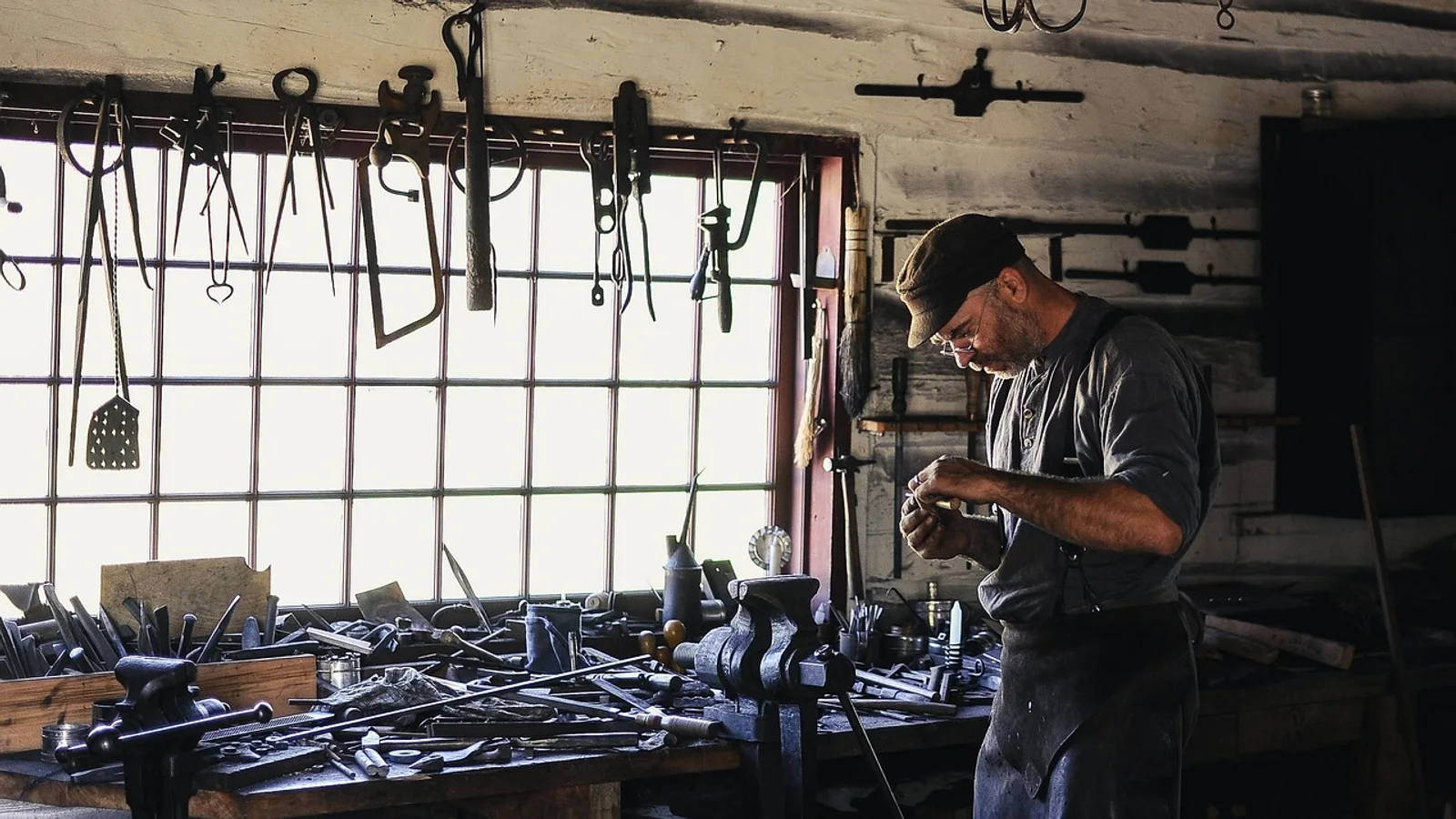
It is a Thursday morning in February, and the roller door has been up long enough that I can see my breath in the workshop. Ove clamps a torque wrench into the bench vise. The jaws bite the drive end, the handle points out toward the aisle, and he hooks a spring scale through a loop of webbing at a measured distance from the pivot. He checks the distance with a steel rule, marks the spot with his thumbnail, and pulls. The scale reads 24.6 pounds. The certificate says the wrench should click at 25. He pulls again, slower, and the click comes at 24.8. He writes nothing down. He sets the wrench aside and reaches for the next one.
The binder is open on the bench beside him. Clear plastic sleeves, the newest certificate from a lab in Sundbyberg dated eleven months ago, a serial number, a technician’s signature, a list of test points, a stamp that means something to an auditor. Ove glances at it the way you glance at a clock you already know is fast. Then he goes back to the vise.
What the certificate is for
A torque wrench is a spring with a handle. The spring loses tension over time. The handle gets dropped, the scale gets bumped, the wrench sits in a drawer through a cold winter and a warm summer and comes out with a personality slightly different from the one it had when the lab saw it. The certificate is a snapshot. It says: on this day, at this temperature, this tool was correct. It does not say anything about the eleven months since.
That is not a flaw in the certificate. It is what a certificate is. It is a claim about the past, made by someone with a calibrated reference and a traceable process, and it is the only part of the story that survives a change of staff, a change of ownership, an insurance claim. When the auditor comes, the certificate is what they want to see. It is what the software has a field for. It is what the invoice refers to when the customer asks whether the work was done to spec.
The weekly check is a different kind of claim. It says: right now, in this room, at this temperature, after whatever happened to this tool since Thursday last, it is still correct. It is cheap. It takes twenty minutes for the whole rack. It is specific enough to catch the drift before it reaches a customer’s bottom bracket, which is the part that matters, because a bottom bracket that has been torqued by a wrench that is three percent off will feel fine in the stand and creak on the first climb.
Ove has been doing this every Thursday for as long as anyone can remember. He does it before the first repair ticket. The roller door goes up, the cold comes in, and he clamps the first wrench before he touches a bike. The binder stays open. The masking tape on the bench gets a new date.
The part the software cannot see
The shop has a maintenance log now. It is a web application with a blue header and a calendar view, and it was sold to the owner as a way to stop losing track of service intervals. It has a field for the calibration date. It has a field for the certificate number. It has a field for the next due date, and it sends a reminder email two weeks before that date, and the reminder email is the reason the certificate gets renewed on time.
It has no field for the Thursday check.
I have looked. There is a notes field, and you could type something into it, but the notes field is not searchable in the way the calendar is, and it does not roll up into a report, and nobody opens it unless they are already looking for something. The check lives in Ove’s head and in the strip of masking tape on the bench, and the masking tape is not a record. It is a reminder to himself.
This is the part that bothers me. The software is not wrong to record the certificate. The certificate is the thing that can be audited, transferred, defended. But the check is the thing that keeps the work honest, and the software cannot see it, and so the check is invisible to anyone who is not standing in the cold on a Thursday morning watching Ove pull on a spring scale.
The case I would make against the Thursday check
The case against informal checks is not weak. It is the case I would make myself if I were the auditor. A check that depends on one person’s discipline is a check that disappears when that person does. It is not recorded, so it cannot be reviewed. It cannot be taught from a document. It cannot be defended in a dispute. When Ove retires, the Thursday check retires with him, and the next fitter inherits a binder full of certificates and a bench with a strip of tape on it and no idea what the tape is for.
A proper calibration schedule with traceable records is more robust. It is more transferable. It is more honest about what is actually known, because it does not pretend that a weekly pull in a cold workshop is the same thing as a lab test. The auditor is not being unreasonable when they ask for the certificate. They are asking for the thing that survives.
I have recommended that shops move their maintenance logs online. I have watched the relief on an owner’s face when the reminder email arrives before the certificate expires. I am not going to pretend that the binder was better.
What I might be wrong about
Maybe the right answer is not to romanticize the absence of a record. Maybe the right answer is to write the check down. A simple sheet, a date, a reading, a signature, clipped into the same binder as the certificate. It would take Ove two more minutes. It would make the check visible to the auditor, transferable to the next fitter, defensible in a dispute. It would turn the Thursday ritual into a record, and the record would outlast the ritual.
I have suggested this to Ove. He listened, and he nodded, and he said he would think about it. The masking tape is still on the bench. The binder is still open. The check is still invisible.
I am not sure which one of us is right. The certificate is the thing that survives a change of staff. The check is the thing that catches the drift. The shop needs both, and only one of them has a field in the software, and the one without the field is the one that happens before the first repair ticket, in the cold, with the roller door up.
The tape on the bench
Ove hangs the torque wrench back on its peg. He closes the binder and sets it on the shelf under the bench, spine out, where it always goes. Then he tears a strip of masking tape from the roll and writes the date on it in blue ballpoint, pressing hard enough that the tape puckers. He sticks it to the bench beside the vise, next to the ghost of last week’s strip, which he has not peeled off yet.
The tape is not a record. The auditor will see the certificate. The customer will see the invoice. The tape is for the next Thursday, when the roller door goes up again and the workshop is cold and the first repair ticket is waiting. Ove picks up the next wrench and clamps it into the vise, and the spring scale swings once on its hook before he catches it.
#Essay #calibration #maintenance #smallbusiness #torque wrench #maintenance records #small business #trust versus proof